
Home » Posts tagged 'Early Music' (Page 2)
Tag Archives: Early Music
Christmas Oratorio at West End United Methodist
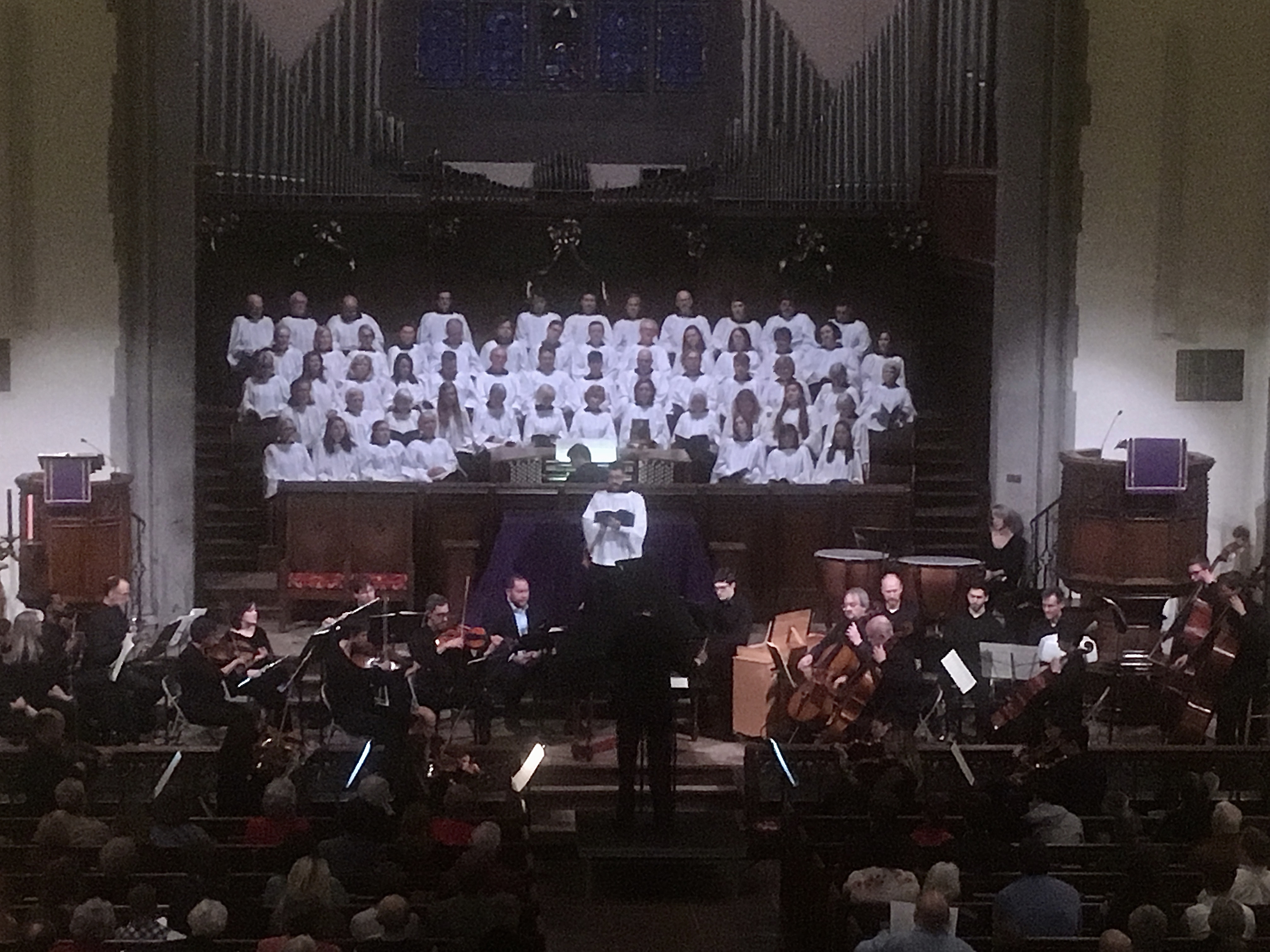
West End Chancel Choir and Orchestra, Matthew Phelps, conductor, perform Johann Sebastian Bach’s Christmas Oratorio Part 1, BWV 248 ~ December 3, 2017, West End United Methodist Church, Nashville (click images to enlarge)
When I first met Dr. Matthew Phelps nearly two years ago, one of the first things he shared with me was his desire to present Sebastian’s Christmas Oratorio BWV 248 at West End during the advent season. I was excited to hear this, since the Christmas Oratorio is rarely performed compared to Sebastian’s other large scale choral works like the Passions and the B minor Mass, and I had never heard it performed live before. So when I found out earlier this fall that it was happening this year, I marked my calendar and made sure I could be there. (more…)
Martin & Sebastian
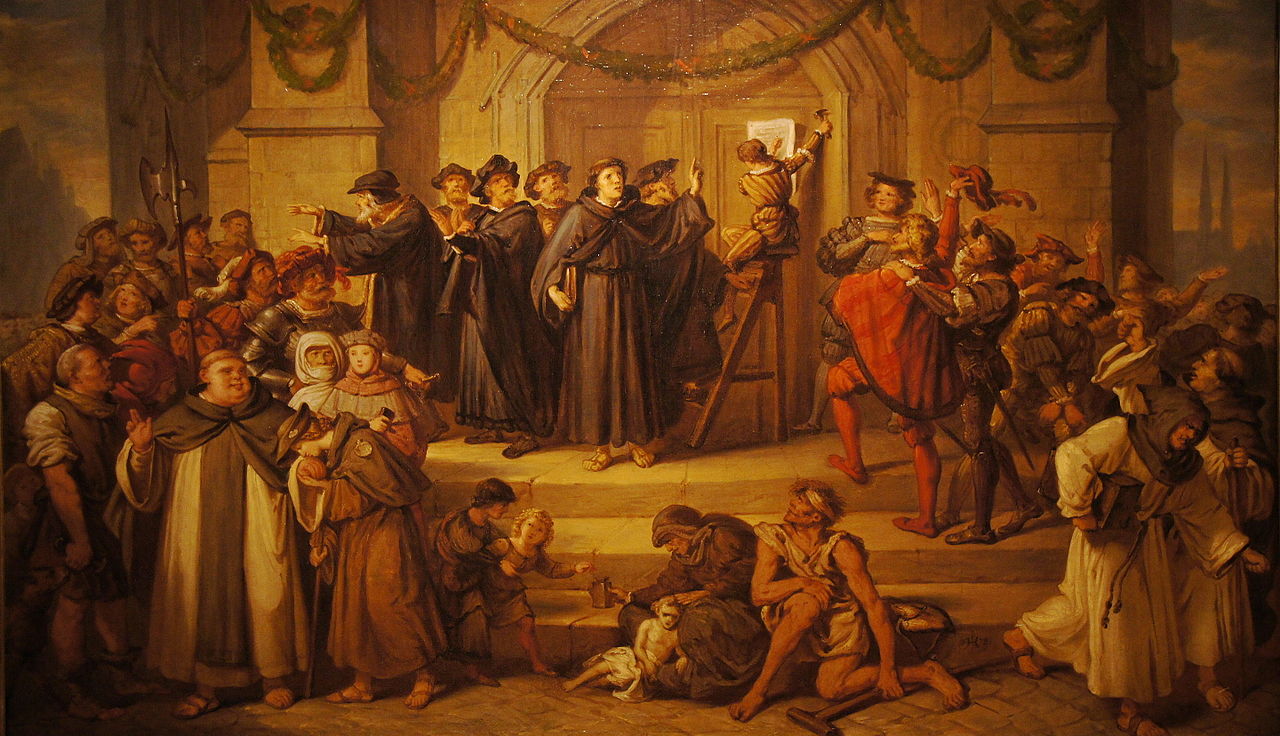
Martin Luther nails his 95 Theses to the church door ~ 1878 painting by Julius Hübner (1806-1882) click images to enlarge
This week marked the 500th anniversary of the Reformation. On October 31, 1517, Martin Luther posted his Ninety-Five Theses to the door of the Castle Church in Wittenberg, Germany. This protest against the sale of indulgences by the Catholic Church led to the social, cultural, and philosophical revolution we now call the Reformation – which in turn led to many changes in the abilities of governments and religions to control the personal lives of individuals in Western Civilization, among other things.
Fie, Nay, Prithee John
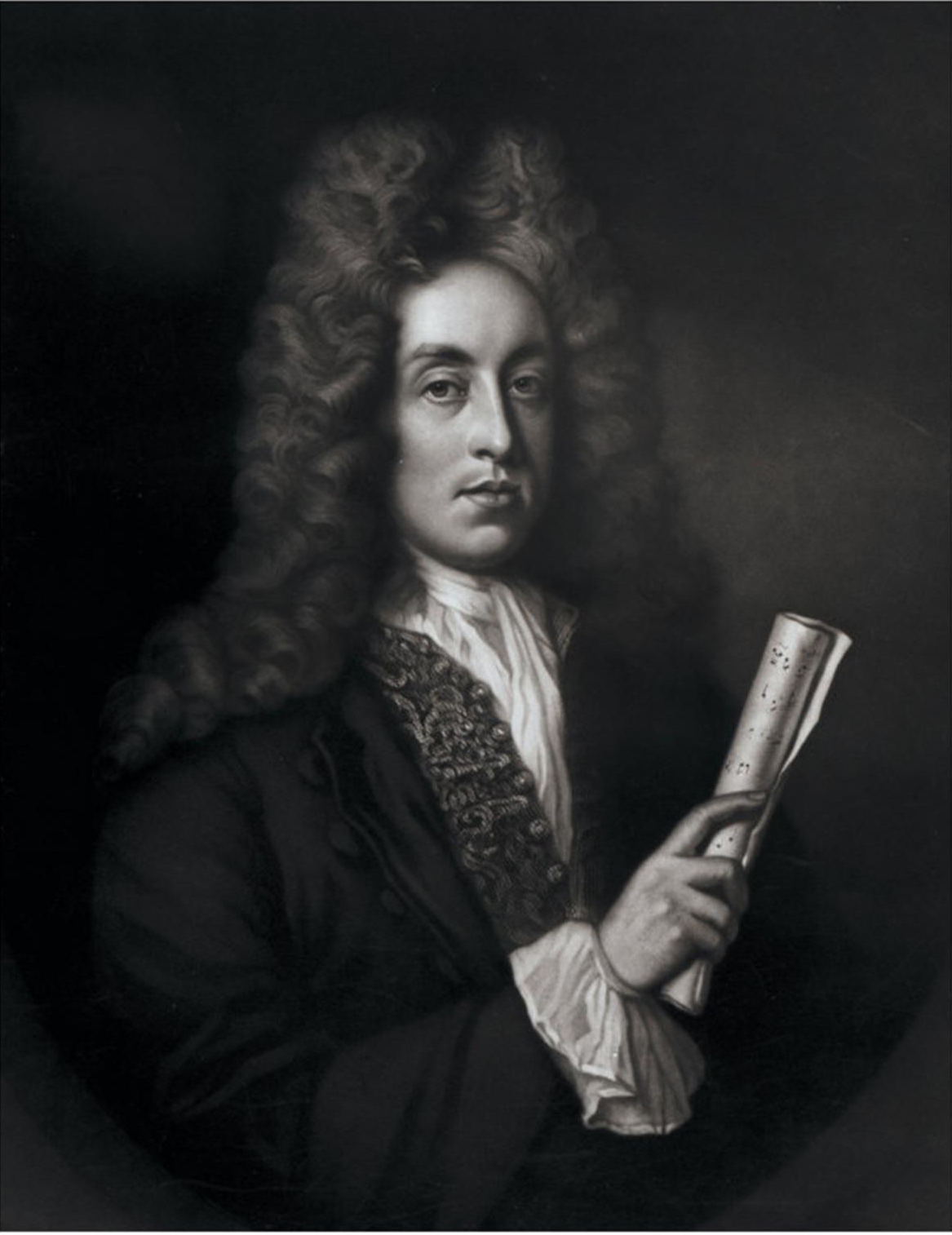
Henry Purcell (1659-1695) ~ anonymous portrait
Singing canons is a wonderful way to help young singers develop independence, sing harmony and polyphony, and all with material that takes much less time to learn than music cast in more than one part. In strict canon, everyone sings the same part: we all learn the same melody and text together, and once it’s solid split up the group, start singing it at different times, and presto! musical magic.
Canons can be simple enough for very young children to learn in a few minutes or so challenging that professional choirs must exert considerable effort to sing them well. With a broad repertoire of canons on the tip of her tongue, the skilled music teacher is ready to make or teach satisfying music with students of any level, for any occasion, at any time or place.
Over the course of my teaching career I taught dozens of canons to students of all ages: rounds with students beginning in Kindergarten, catches with more experienced singers (usually by third grade). We sang canons about everything: happy and sad canons, silly canons, canons about love, animals, God, food, about music itself. Canons in English, Latin, French, German, Russian. Canons. One of the most important canons I tried to teach to all of my students over the years is the ancient Sumer Is Icumen In, which I have written in detail about here.
Another fabulous canon which I taught to hundreds of students from elementary through high school, and which is the subject of today’s article, is the indignant and difficult “chiding” catch Fie, Nay, Prithee John by the great Henry Purcell. And yes, by teaching this song, I taught my students to swear.
BACHanalia 2017

On Friday, March 31, from 4 – 10 pm, Christ Church Cathedral at 900 Broadway in downtown Nashville proudly presents the 11th Annual BACHanalia. This unique, beloved event is a continuous, six hour concert of our friend Sebastian’s music presented once a year as a gift to the community. Click here for the church’s official announcement of the event. Note the new times! This year’s event will be held from 4 – 10 pm, not 5 – 11 pm as in previous years.
Again this year I was very lucky, and was granted a sneak peak at BACHanalia 2017‘s performers and selections, which I now leak to you here, oh readers of Off The Podium. Warning: Spoilers!
Sarabande

disputed portrait of our friend Sebastian by Johann Ernst Rentsch the Elder (d. 1723) painted c. 1715, which would make him 30 years old here. Sebastian most likely wrote the cello suites when he was at Köthen (1717-1723)
Our friend Sebastian was born this time of year in 1685 – on March 21 or March 31, depending on whether you recognize Old or New Style (Julian or Gregorian) calendar conventions for commemorating things that happened centuries ago. I have friends who insist that one or other date is correct, but for me it doesn’t matter – for me, every year for many years now I have observed a quiet little personal eleven-day period of reflection on Bach’s music between March 21 and March 31. Each day for eleven days, I set aside some time to both play some of Sebastian’s music (on piano, harpsichord, or lute) and to intentionally listen to some of my favorite recordings of pieces that have touched me deeply.
Barthold Kujiken with Music City Baroque
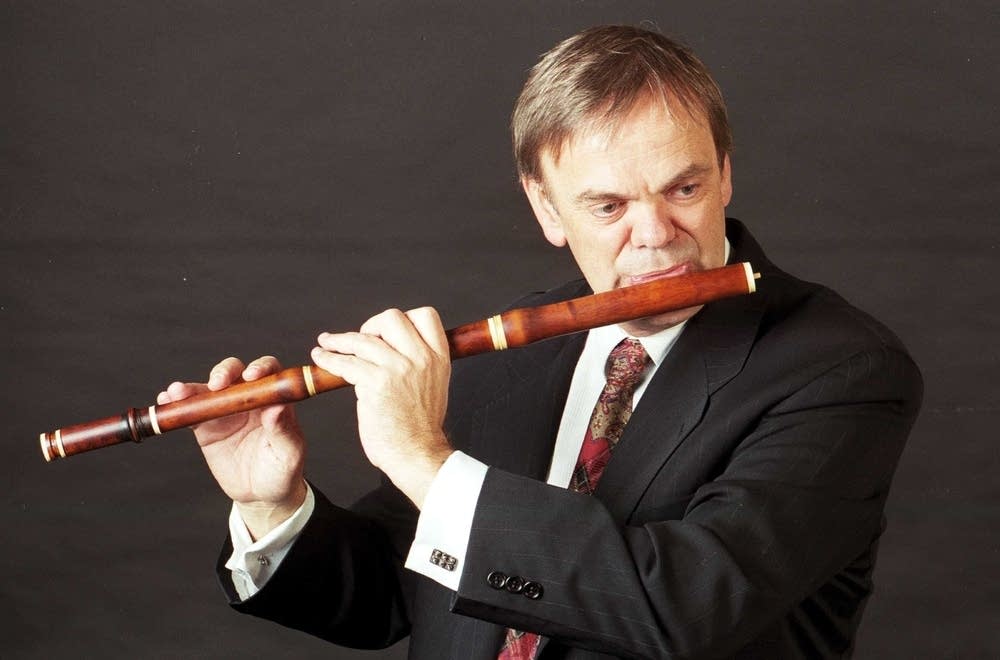
Barthold Kujiken
March is Early Music Month, an annual campaign to promote awareness of early music throughout the North American musical community. Early Music Month is promoted and designed by Early Music America, a national organization that facilitates and encourages communication, collaboration, raising awareness, and sharing resources for those interested in historical performance and music before the 19th century.
It’s therefore timely – and no surprise – that our fair Music City has several phenomenal events coming up this month that feature live performances of music from the old repertoires, including both performances by local ensembles and rare visits from acclaimed European musicians.
Renaissance Lute
The Lute Part V

Lutes ~ Plate XVI from Michael Praetorius: Syntagma Musicum, 1619 (click to enlarge)
In which I offer some observations about the instruments themselves and how they were tuned
If someone finds out that I play the lute, it’s not uncommon to be asked: “oh…what is that?” I’ve even been asked “do you blow it?” once or twice. For non-lutenists – and especially non-musicians – distinctions between this or that lute are esoteric details.
But when one lutenist meets another and they both realize their common pastime (or obsession), often the first question that comes up is: do you play renaissance or baroque?
Attaingnant’s Lute Books

facsimile of Attaingnant’s Tres breue et famílíere introductíon… (1529) by Editions Minkoff, Geneva, 1988 (click to enlarge)
The Lute Part XI
continued from
Music Printer to the King: Pierre Attaingnant
In 1529, Pierre Attaingnant published the first book of lute tablature to be issued in France: Tres breue et famílíere introduction pour entendre & apprendre par soy mesmes a iouer toutes chansons reduictes en la tablature du Lutz. (Brief and simple introduction for understanding and learning for oneself how to play any song reduced to tablature for the lute.) Hereafter: Introduction.
This first volume of lute pieces to be printed in France – a collection of preludes and chansons – was followed less than four months later by a second volume – Dixhuit basses dances: 18 basses dances as well as branles, pavanes, galliards, and other dances in lute tablature.
Together, these two small books comprise the humble beginning of the long tradition of French lute music, which was eventually to dominate the solo lute repertoire throughout the continent. By the middle of the 17th century, “French lute” would represent the apotheosis of refined expression in instrumental music and the repertoire of the French lutenists would in turn influence the fledgling keyboard repertoire… but that’s getting considerably ahead of our story.
Music Printer to the King: Pierre Attaingnant
The Lute Part X

portrait of Francis I of France (1494-1547) c.1530 by Jean Clouet (1475-1540), Louvre Museum, Paris (click to enlarge)
The French Renaissance is sometimes called the “long sixteenth century” by historians to describe a period from the end of the 15th through the beginning of the 17th centuries. During this period, the arts and culture flourished anew as France imported humanism, artistic ideals, and their proponents from Italy and adapted them according to French tastes and aesthetics. In the first half of the 16th century the French King Francis I – François Premier – was a great patrons of the arts and the epitome of the renaissance monarch: a poet himself, it was under his reign (1515 – 1547) that this cultural transformation took place most dramatically.
It was also during the reign of Francis I that the very first printed music books appeared in France – including the first printed lute books.
2016: What Kind of Blog Is This?
Off The Podium Reflections, Statistics, and Top Ten Posts
As I did last year at this time, here I review my experience writing Off The Podium this year and share some statistics, what I have learned, and come clean on what exactly this blog is about.
The year has been a wild ride. Off The Podium has provided a great means to share the activities of the department of Education & Community Engagement at the Nashville Symphony and the launch of our Accelerando program with the Nashville community and the world. It has also continued to provide me with a format and incentive to develop my writing on the topics of Music and Education – regular features of Off The Podium that now reach thousands of readers all over the world.
 Walter Bitner